


Social media has become an essential tool for medical practices to educate patients, highlight services, and build trust. However, even a single photo, comment, or post can expose a clinic to serious compliance risk. In today’s hyper-connected environment, HIPAA social media violations are among the most common, and preventable, threats to patient privacy and a practice’s reputation.
Most violations are not intentional. They often result from well-meaning content shared without a full understanding of how easily protected information can be exposed. Knowing where the risks lie allows clinics to stay visible online while remaining compliant.
Why Social Media Is a Common Source of HIPAA Violations
Social platforms encourage real-time, informal posting, which leaves little room for review. Short-form videos, behind-the-scenes content, and spontaneous interactions increase exposure to HIPAA violations social media, especially when staff are unaware of how privacy rules apply in digital spaces.
HIPAA applies across all platforms, including Instagram, Facebook, TikTok, LinkedIn, Stories, comments, and direct messages. Intent does not matter, only whether protected health information is disclosed. Clinics are responsible for content shared on their behalf, regardless of how quickly it is posted.
What Counts as Protected Health Information on Social Media
Protected Health Information goes beyond patient names or medical records. On social media, PHI may include:
- Patient faces, voices, or identifying features
- Appointment dates, times, or visit details
- Diagnoses, procedures, or treatment discussions tied to an individual
- Screens, charts, whiteboards, or paperwork visible in the background
- Audio from conversations captured during filming
- Location data, timestamps, or contextual clues that could identify a patient
Even content that appears anonymous can still be identifiable to the individual involved, which is why posting from clinical areas requires careful review and safeguards.
Real HIPAA Violations Examples Clinics Often Overlook
Many clinics underestimate how easily compliance issues can occur. Reviewing real HIPAA violations examples helps illustrate how everyday marketing and engagement efforts can unintentionally expose protected patient information.
Common scenarios include sharing before-and-after images without proper authorization, filming inside treatment areas where patient details are visible, responding publicly to patient comments with clinical context, or reposting patient messages incorrectly. Even when content is educational or positive, exposure alone can create liability.
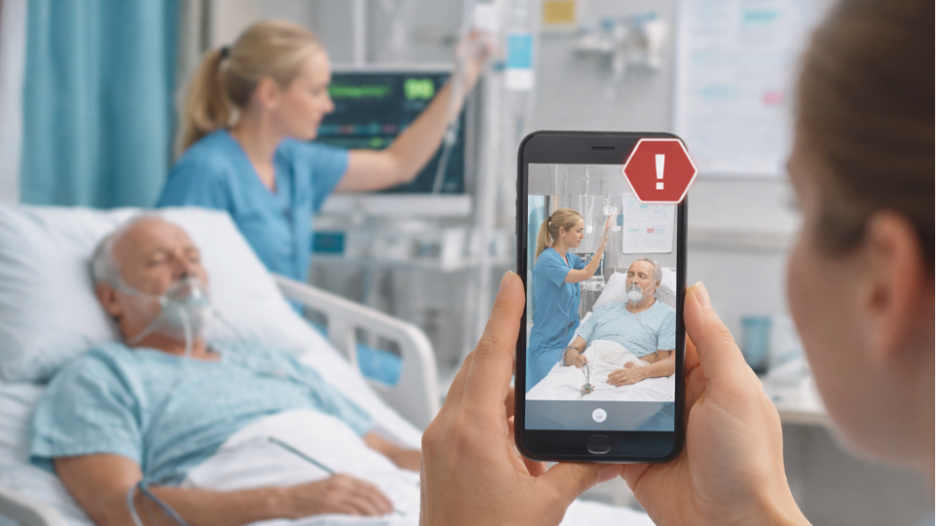
HIPAA Photo Violations: Why Images Are Especially Risky
Photos and videos present some of the highest compliance risks. HIPAA photo violations often occur because images capture more than intended: faces, tattoos, charts, room layouts, reflections, or background details that can identify a patient.
Additionally, metadata embedded in images may reveal time and location information. For marketing use, clinics must obtain written authorization that clearly outlines how and where images will be shared. Verbal consent or standard intake forms are not sufficient.
Why Consent and Good Intentions Aren’t Enough
Many clinics assume patient enthusiasm or verbal permission makes posting acceptable. In reality, a HIPAA violation social media issue can still occur without proper written authorization.
HIPAA requires clear documentation, specific consent for marketing use, and the ability for patients to revoke permission. Informal approvals create unnecessary compliance exposure and increase risk during audits or complaints.
Staff, Personal Accounts, and Shared Responsibility
Clinics remain accountable for content created by staff if it is filmed on-site, identifies the practice, or includes patient information. Personal accounts, “day in the life” videos, and Stories recorded at work are a growing source of social media and HIPAA violations.
Clear policies and regular staff training are essential to reduce accidental exposure and ensure everyone understands their role in protecting patient privacy.
How Clinics Can Stay Compliant on Social Media
Most risks can be mitigated with proactive structure. Clinics should establish written social media policies, limit posting authority to trained individuals, review patient-related content before publishing, and provide ongoing staff education.
For technical safeguards that support compliance, this HIPAA compliance IT checklist for podiatry practices outlines key systems and controls clinics should have in place.
Using HIPAA-Compliant Communication Tools Instead of Social Media
Public platforms are not appropriate for patient communication. Comments, direct messages, and public replies can easily expose sensitive information.
Clinics should rely on secure messaging, email, and video platforms designed for healthcare. This guide to HIPAA-compliant communication tools for clinics explains safer alternatives that protect privacy while maintaining efficient communication.

Protecting Your Practice Without Avoiding Social Media
HIPAA compliance does not mean avoiding social media entirely. Clinics can safely share educational content, provider introductions, team culture, and facility tours when proper safeguards are in place.
When policies and training are aligned, social media becomes a trust-building tool rather than a liability.
Staying Compliant Without Sacrificing Visibility
Most HIPAA social media violations are preventable. With clear policies, staff awareness, and thoughtful content review, clinics can protect patient privacy while remaining active online. Compliance is not about restriction, it’s about preparation, clarity, and accountability.
If your clinic is navigating social media compliance questions or wants to reduce the risk of accidental exposure, contact Allevio Care to get guidance on building clear policies, training staff, and protecting patient privacy with confidence.


