


No compliance program succeeds in policies alone. Without clear expectations, well-trained employees, and systems that reinforce standards daily, even the most detailed compliance manual becomes ineffective. Strong compliance training for medical staff is the foundation of a culture of accountability, one where every team member understands their role in protecting patients, maintaining documentation accuracy, and reducing operational risk.
Accountability in healthcare is not about blame. It is about clarity, structure, and consistency. When staff know what is expected and have the tools to meet those expectations, compliance becomes part of everyday operations rather than an annual checklist.
Why Compliance Training Is the Foundation of Accountability
Effective compliance begins with education that is practical and role-specific. Front desk staff face different risks than billing teams or clinical providers. Training must reflect those differences. Short, recurring sessions often prove more effective than lengthy annual seminars. Microlearning, real-world scenarios, and interactive discussions improve retention and make expectations clear.
Ongoing compliance training for medical staff also demonstrates leadership commitment. When managers prioritize training, track completion, and reinforce standards, staff recognize that compliance is a shared responsibility, not simply a regulatory requirement.
For a deeper look at privacy-focused education, this guide on HIPAA compliance training for medical staff explains what every clinic should cover in its core curriculum.
What Effective Compliance Training Looks Like in Practice
Training should go beyond definitions and policy summaries. Effective programs are practical, role-specific, and consistently reinforced. Strong compliance education typically includes:
- Scenario-based examples tailored to daily workflows and real clinic situations
- Clear reporting procedures that explain how and when to escalate concerns
- Role-specific documentation standards so expectations are aligned with responsibilities
- Periodic refresher sessions to address regulatory updates and reinforce core policies
- Documented completion tracking with attestations or short assessments to confirm understanding
Tracking participation and confirming comprehension is just as important as delivering the training itself. When documentation of education is organized and accessible, practices are better prepared for audits and internal reviews.
Choosing the Right Medical Compliance Software
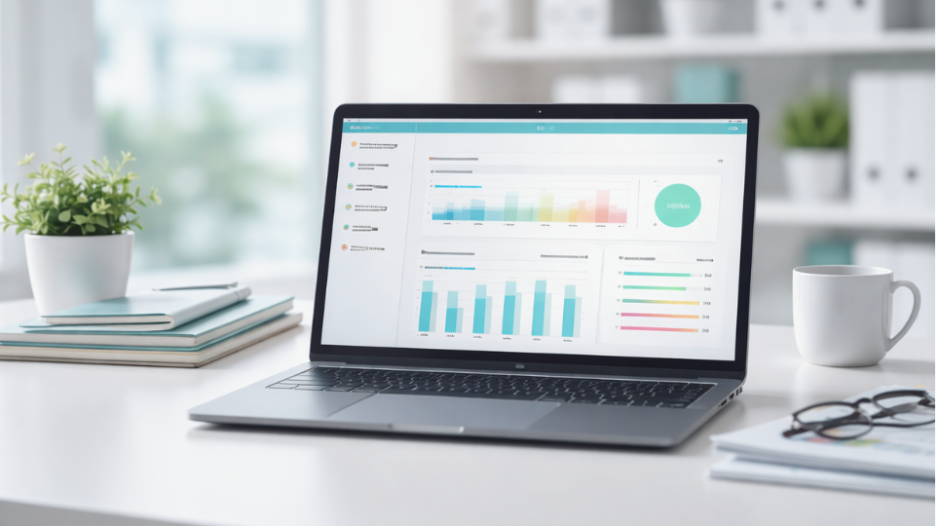
Technology plays a critical role in sustaining compliance efforts. The right platform can centralize policies, assign training, track completion, and store documentation for audits.
Beyond training, effective systems may include:
- Audit tracking dashboards
- Incident reporting workflows
- Version-controlled policy libraries
- Automated reminders for required certifications
These tools reduce reliance on memory and manual follow-up. Instead of hoping procedures are followed, clinics can verify that standards are consistently met.
How to Ensure Compliance with Medical Industry Hiring Standards
Hiring practices are a key layer of regulatory protection. Structured, documented onboarding procedures help reduce preventable risk from the start.
This includes:
- Verifying licensure and certifications before employment
- Conducting appropriate background checks
- Confirming ongoing credential validity
- Providing structured onboarding compliance education
Clear documentation during hiring establishes expectations from day one. When new employees understand compliance requirements early, accountability becomes embedded in your clinic’s culture.
How to Reduce Errors in Medical Device Compliance Documentation Processes
Documentation related to equipment and device management presents ongoing compliance risk. Inconsistent logging or missed maintenance records can create unnecessary exposure.
Practical strategies include:
- Standardized logging procedures
- Automated alerts for maintenance schedules
- Digital audit trails
- Defined review responsibilities
Automation does not replace oversight, it strengthens it. When device documentation is embedded into structured systems, the risk of missed updates or incomplete records decreases significantly.
Training and Tools Must Work Together
Education without systems leads to inconsistency. Systems without training lead to misuse. Sustainable compliance training for medical staff requires both structured learning and operational reinforcement.
Checklists, documented workflows, and accessible SOP libraries support what employees learn in training. Regular audits and leadership review reinforce accountability and signal that compliance is an ongoing priority.
Practices that integrate training with operational systems often experience fewer documentation errors, reduced regulatory exposure, and improved team confidence. For clinics seeking structured operational support, Allevio Care’s management services provide frameworks designed to strengthen accountability across departments.
Building a Sustainable Culture of Accountability
Creating a culture of accountability requires consistent leadership engagement. Managers must reinforce expectations, address concerns promptly, and encourage safe reporting when issues arise.
Staff should feel comfortable raising compliance questions without fear of blame. When accountability is framed as protection, of patients, colleagues, and the practice, it becomes a shared value rather than an imposed rule. With ongoing training, structured systems, and visible leadership support, compliance evolves into a sustainable operational strength.
Compliance Is a System, Not a Single Event
Compliance is not achieved through one training session or one software purchase. It is built through continuous education, documented processes, and leadership commitment.
If your practice is looking to strengthen its compliance framework, implement structured training, or integrate tools that support accountability, contact Allevio Care to develop a proactive system tailored to your operational needs.


